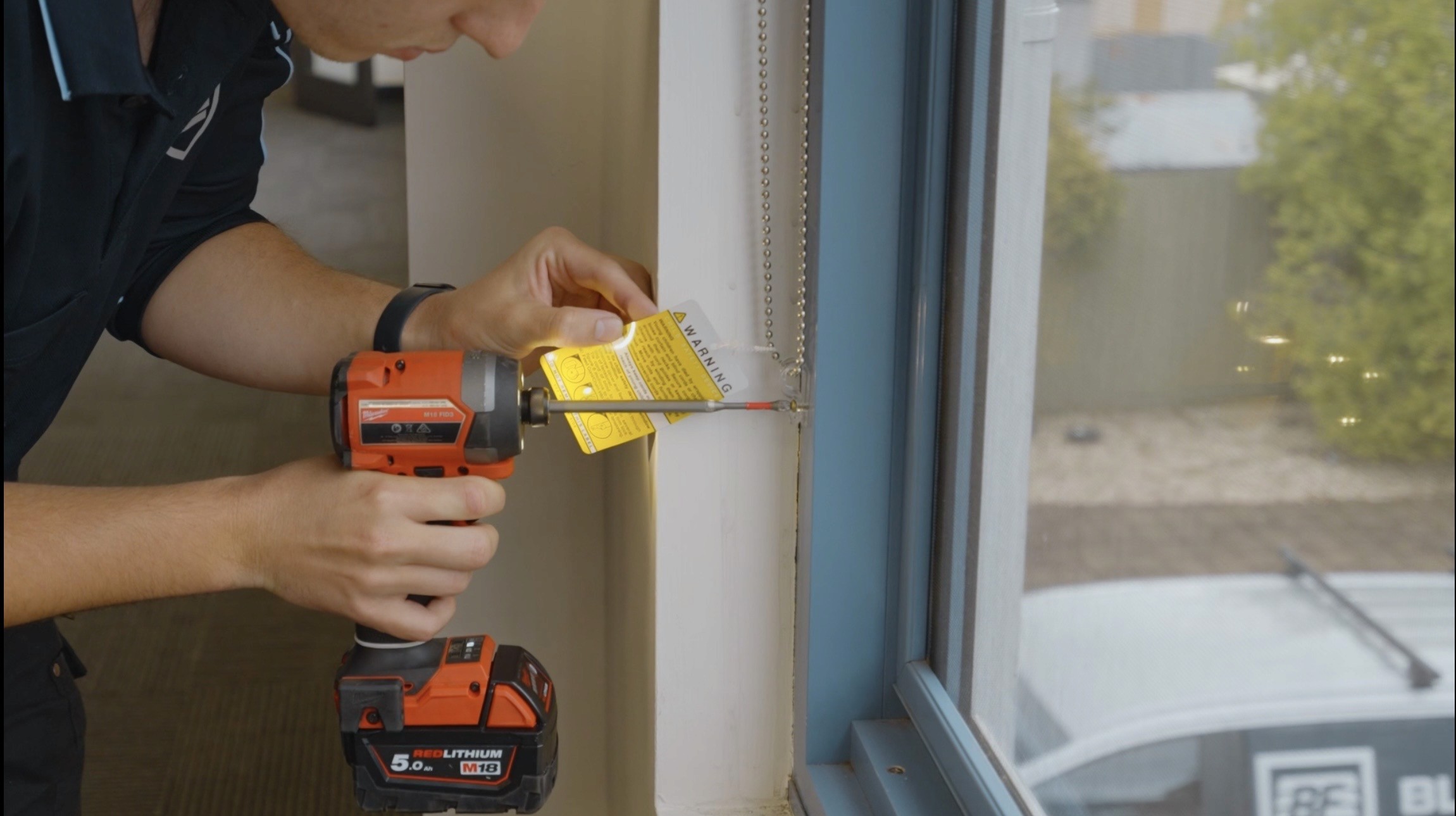

For something that directly affects light, heat, comfort, and usability of a space, that’s a strange position to hold.
On most projects, blinds are treated as a finishing item.
They’re often specified after glazing, after façade decisions, sometimes even after furniture layouts. By the time they’re considered, much of the building’s performance has already been locked in.
So blinds end up compensating for decisions that have already been made.
Too much glare.
Too much heat.
Too much exposure.
The blind becomes the final adjustment layer — expected to solve problems it didn’t create.
Where the Gap Starts
The issue isn’t that blinds are specified incorrectly.
It’s that they’re specified too late, and with too little integration into the broader design thinking.
Performance is often reduced to openness factors or colour, without fully considering orientation, occupancy, or how the space will actually be used.
In some cases, a system that works well on paper struggles in practice. In others, a higher-performing option is overlooked because it complicates procurement or lead times.
The result is a system that technically meets specification, but doesn’t always meet expectation.
What Happens on Site
This is where the gap becomes visible.
A room that looks balanced in renders becomes difficult to use at certain times of day. Staff adjust blinds constantly. Some are left permanently down. Others are never used at all.
Over time, small frustrations turn into workarounds.
Blinds are tied up.
Left half-open.
Replaced with something else.
None of this shows up in the original specification.
Reframing the Role of Blinds
What’s starting to shift is a recognition that blinds aren’t just accessories.
They’re part of how a building performs.
That means considering them earlier, alongside glazing, orientation, and internal use. It means thinking about how they’ll be operated, maintained, and adjusted over time — not just how they look on day one.
It also means accepting that performance isn’t fixed at installation.
It changes with use.
Designing for Use, Not Just Completion
When blinds are treated as part of a system, the questions change.
Instead of asking what fabric is needed, the focus shifts to how the space will behave throughout the day. Instead of just meeting a requirement, the aim becomes supporting the people using the space.
On site, this leads to simpler outcomes.
Blinds are used as intended.
Spaces remain comfortable without constant adjustment.
Maintenance becomes predictable, not reactive.
The system works quietly in the background.
Where This Leaves Specification
For architects, the opportunity isn’t to overcomplicate the process.
It’s to bring blinds into the conversation earlier.
To treat them as part of the building’s performance, not just its finish.
And to recognise that something small, when overlooked, can have a disproportionate impact on how a space is experienced.
Final Thoughts
Blinds are one of the least understood systems in a building — not because they’re complex, but because they’re often treated as simple.
In reality, they sit at the intersection of design intent and everyday use.
When that connection is made properly, they stop being an afterthought.
And start doing what they’re supposed to do.

Let’s keep in touch.
Discover more about high-performance web design. Follow us on Twitter and Instagram.