
Not because they’ve reached the end of their life — but because there is no care plan beyond its warranty.
Across education, health, and commercial projects, we see the same pattern repeat.
A blind fails.
A fabric wears.
A mechanism jams.
And instead of being repaired, it’s replaced.
Not because replacement is the best solution — but because it’s the only one available.
The Problem Isn’t Failure — It’s Design.
Most blind systems are designed as finished products, not ongoing systems.
Once installed, they exist in a kind of limbo. There’s no structured servicing plan, no material traceability, and no real pathway for repair beyond basic fixes. Components aren’t standardised. Fabrics aren’t designed to be reskinned. Information about what was installed — and how — is often lost within months.
So when something goes wrong, replacement becomes the default.
Not because it makes sense, but because the system leaves no alternative.
What Replacement Is Really Costing.
The visible cost of replacing blinds is relatively small in the context of a project. That’s why it’s rarely questioned.
The hidden cost is where the impact sits.
Repeated replacements increase embodied carbon, generate unnecessary waste, and create ongoing disruption across facilities. For building operators, it becomes a cycle — small failures leading to full replacements, again and again, across years.
For architects, it quietly undermines the intent of the specification.
A product selected for performance, aesthetics, or sustainability is ultimately reduced to something temporary.
Designing for What Happens Next
What’s changing now is not the product — but the thinking around it.
Instead of treating blinds as a one-off installation, they’re starting to be considered as part of a broader lifecycle.
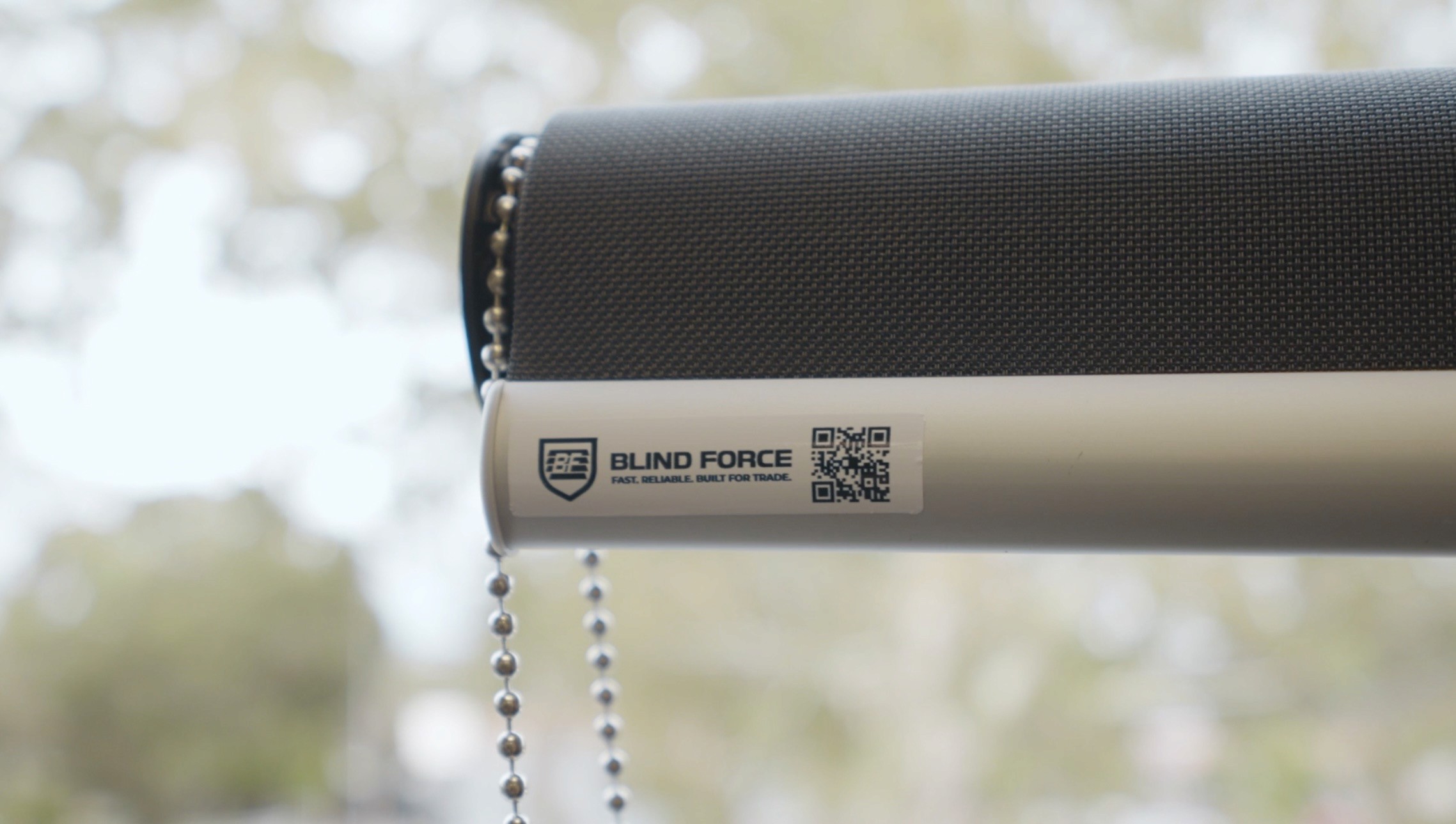
That means designing systems that can be taken apart, repaired, and adapted over time. It means selecting materials that can be replaced without removing the entire system. It means keeping a record of what’s installed, so it can be properly maintained.
Most importantly, it means accepting that failure isn’t the problem.
Lack of continuity is.
The Quiet Shift in Specification
This change rarely appears in drawings or schedules.
But it’s starting to influence how systems are selected.
Questions are shifting from:
“What does it look like?”
to“What happens to it over time?”
From:
“How is it installed?”
to“How is it maintained?”
And from:
“What does it cost now?”
to“What does it cost across its life?”
Final Thoughts
The hidden cost of replacing blinds isn’t just financial.
It’s structural.
It’s the result of systems that were never designed to continue — only to be installed.
As projects move toward lifecycle thinking, circular design, and accountable delivery, that approach is starting to fall away.
What replaces it isn’t more complexity.
It’s simply a better question: What happens after installation?
Let’s keep in touch.
Discover more about high-performance web design. Follow us on Twitter and Instagram.