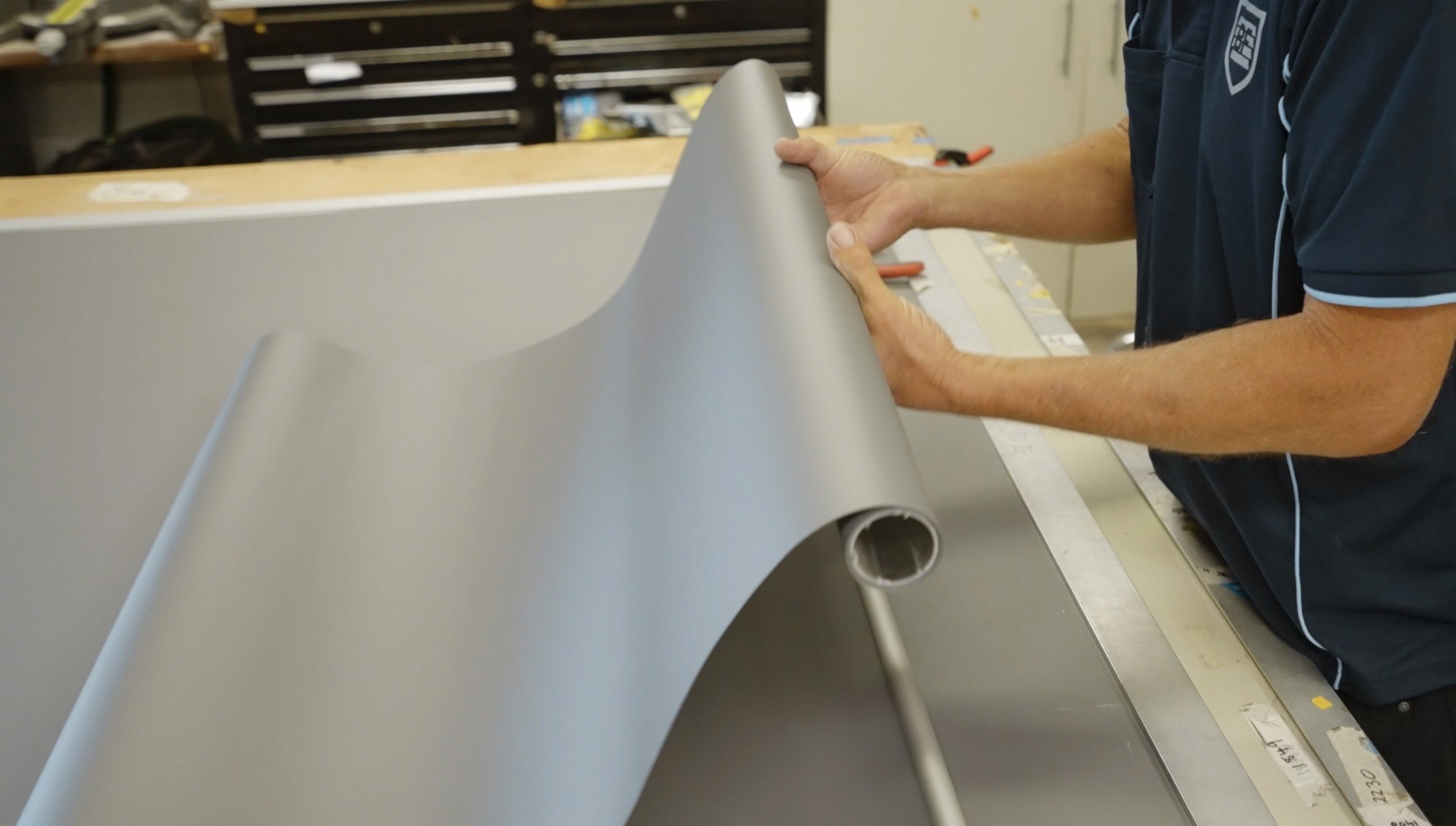

Local manufacturing isn’t just a delivery advantage— it changes how a project is designed from the start.
On most projects, the way something is made quietly shapes how it’s specified.
When a system is imported, it comes with constraints. Fixed sizes, fixed components, fixed timelines. Once it’s ordered, there’s very little room to adjust without cost or delay.
So decisions get made earlier than they should — not because they’re final, but because they have to be.
Designing Around Supply Instead of Performance
This is where the compromise begins.
Specifications are often influenced by what can be delivered, rather than what would perform best in the space. Adjustments on site become difficult. Small changes carry disproportionate consequences.
A measurement is slightly off.
A condition wasn’t fully understood.
A layout evolves.
Instead of adapting, the system resists.
What Changes When Manufacturing Is Local
When manufacturing sits close to the project, the dynamic shifts.
The system becomes flexible.
Adjustments aren’t treated as problems — they’re part of the process.
Lead times aren’t rigid — they can respond to what’s happening on site.
Components aren’t locked in — they can be refined as needed.
This doesn’t just improve delivery.
It changes how confidently decisions can be made.
Control Becomes Part of the Design
With local manufacturing, control isn’t just operational — it becomes part of the design process.
Architects and project teams aren’t forced to overcommit early. They can refine details closer to installation, knowing the system can respond.
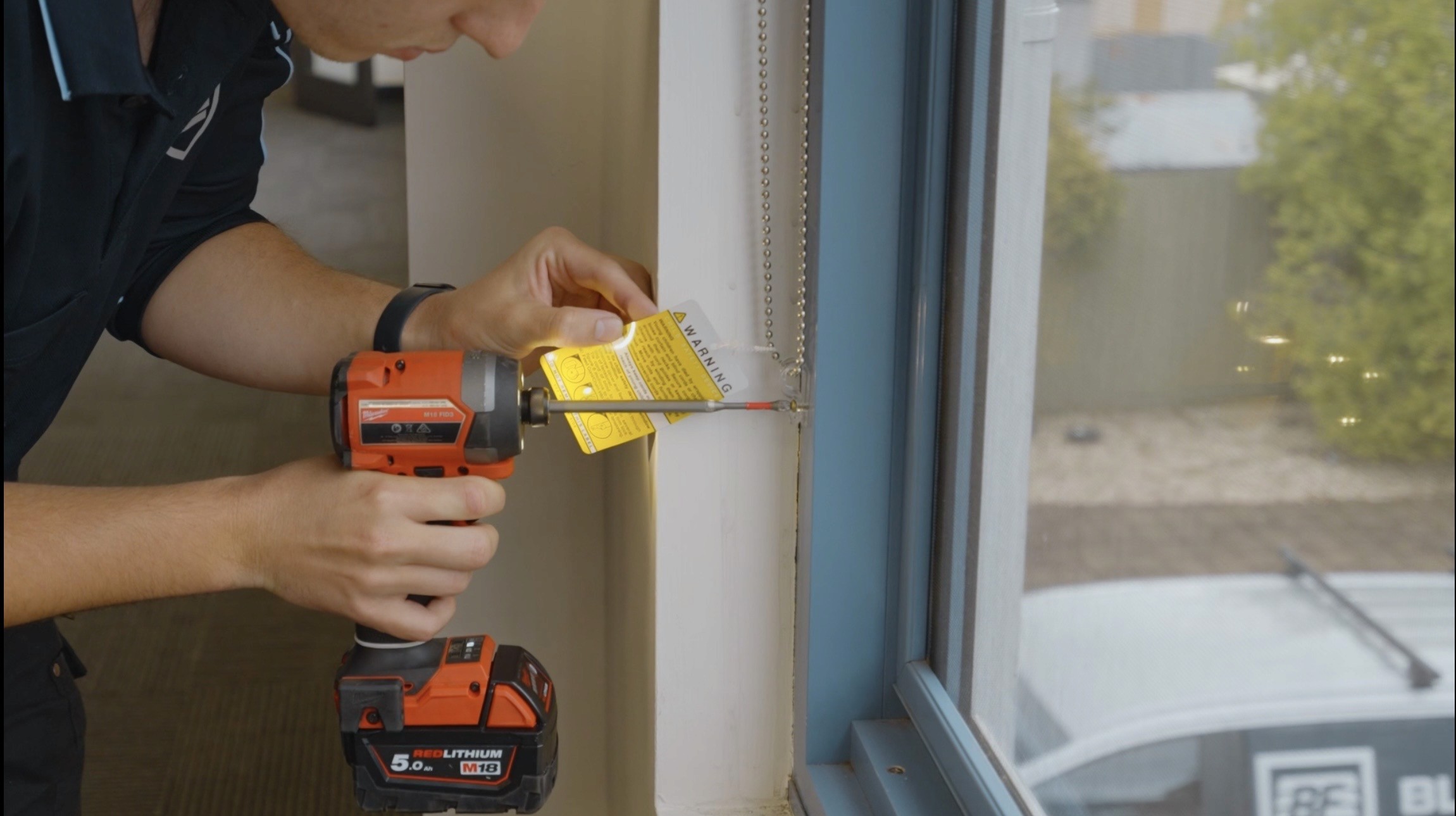
On site, this shows up in small but important ways.
Openings that aren’t perfectly square are resolved without compromise.
Late-stage changes don’t trigger redesign.
Installation flows with the build, rather than fighting it.
The system fits the project — not the other way around.
The Flow-On Effect
Over time, this creates a different kind of project experience.
Less friction between design and delivery.
Fewer delays caused by rigid supply chains.
Better alignment between what was intended and what is built.
And importantly, fewer situations where a decision is made simply because it’s the easiest option to procure.
Beyond Installation)
Local manufacturing also changes what happens after the project is complete.
When components are accessible and systems are understood, servicing becomes viable. Repairs are straightforward. Adjustments don’t require full replacement.
The building doesn’t just receive a product.
It retains access to the system behind it.
Final Thoughts
Local manufacturing is often positioned as a logistical advantage.
In reality, it’s a design advantage.
It allows projects to stay flexible, decisions to remain open longer, and systems to better reflect the intent behind them.
When that happens, the outcome isn’t just faster delivery.
It’s a better fit between design, construction, and long-term use.

Let’s keep in touch.
Discover more about high-performance web design. Follow us on Twitter and Instagram.